How a 4-Year-Old Turned a Lemonade Stand Into a Million-Dollar Brand
What Mikaila Ulmer started as a simple lemonade stand at age four turned into a multi-million-dollar company. How did that even happen?

Who is Mikaila Ulmer?
Mikaila Ulmer is a young entrepreneur who founded Me & the Bees Lemonade at age 4 after being stung by bees twice in one week. Instead of fearing bees, she learned about their role in our ecosystem and created a honey-sweetened lemonade using her great-grandmother's 1940s flaxseed recipe.
Her childhood lemonade stand grew into a multi-million-dollar company now sold in 2,500+ stores nationwide including Whole Foods, Target, and Kroger. At age 9, she secured $60,000 from Daymond John on Shark Tank. By age 13, NFL players invested $800,000 to help scale the brand.
Key achievement: Built a mission-driven beverage company that donates profits to bee conservation through the Healthy Hive Foundation, which she founded in 2016.
Business model: Premium lemonade ($3.49/can retail) with cause marketing - "Buy a Bottle, Save a Bee!"
Here's exactly how she did it...
Most children's lemonade stands often serve as a fun summer pastime, a means to earn a little money before dashing off to play. But for Mikaila Ulmer, what started as a simple lemonade stand at age four turned into a multi-million-dollar company, Me & the Bees Lemonade, now stocked in over 2,500 stores across the U.S.
How does that even happen? How does a child’s curiosity about bees transform into a thriving business with national distribution? And more importantly—what can we learn from it?
Let’s break it down...
How Did Mikaila Ulmer Start Her Lemonade Business?
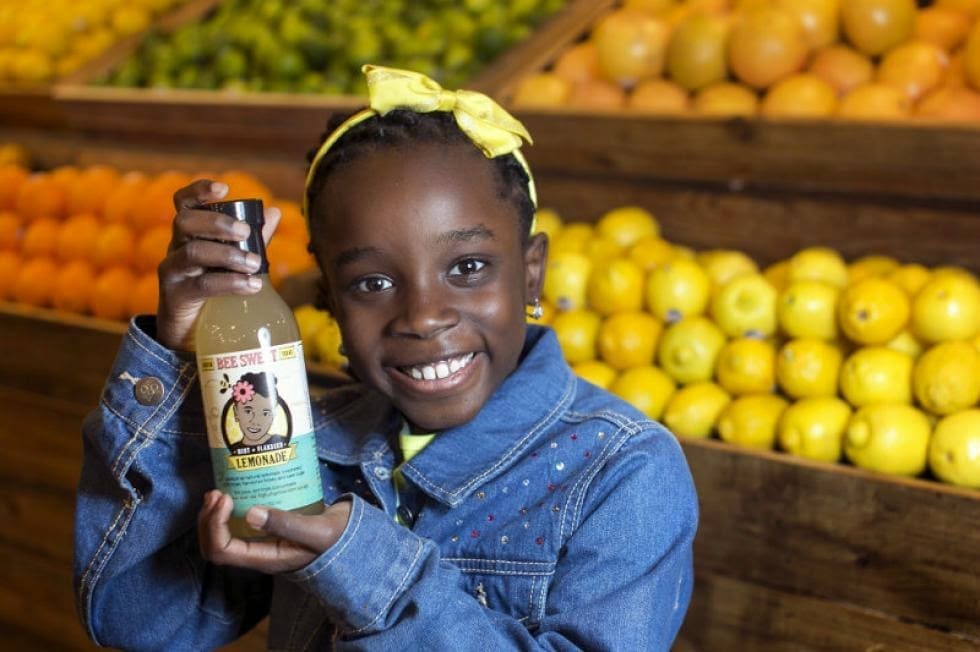
Most kids who get stung by a bee cry, complain, and avoid bees forever. Mikaila Ulmer? She got stung twice in one week and decided to learn more about them.
Instead of fear, she developed curiosity. She discovered how crucial bees are to our ecosystem and how their population was declining. Around the same time, her great-grandmother sent her a 1940s cookbook, which included a recipe for flaxseed lemonade. Inspired, Mikaila tweaked the recipe, replacing sugar with honey—not just for taste but to support the very creatures that had stung her.
Her lemonade wasn’t just another sugary drink. It had a story. It had a mission. And that made all the difference.
How Did Me & the Bees Grow From Local Stand to 2,500 Stores?
| Year | Age | Milestone | Impact |
|---|---|---|---|
| 2009 | 4 | Started lemonade stand at Austin events | Built initial customer base |
| 2013 | 9 | First pizza shop order | Proved wholesale viability |
| 2015 | 11 | $10,000 Whole Foods Local Producer Loan | Scaled production capacity |
| 2015 | 11 | Shark Tank: $60,000 from Daymond John | National TV exposure + mentorship |
| 2017 | 13 | $800,000 investment from NFL players | Expanded to 1,500+ stores |
| 2024 | 20 | Sold in 2,500+ stores nationwide | Multi-million in annual revenue |
Like many kids, Mikaila started selling her lemonade at local events, such as Austin Lemonade Day and the Acton Children's Business Fair. But unlike most kids, she didn't stop there.
Her first big break came when a local pizza shop placed an order. Then, Whole Foods took notice and gave her a $10,000 Local Producer Loan in 2015 to help her scale up.
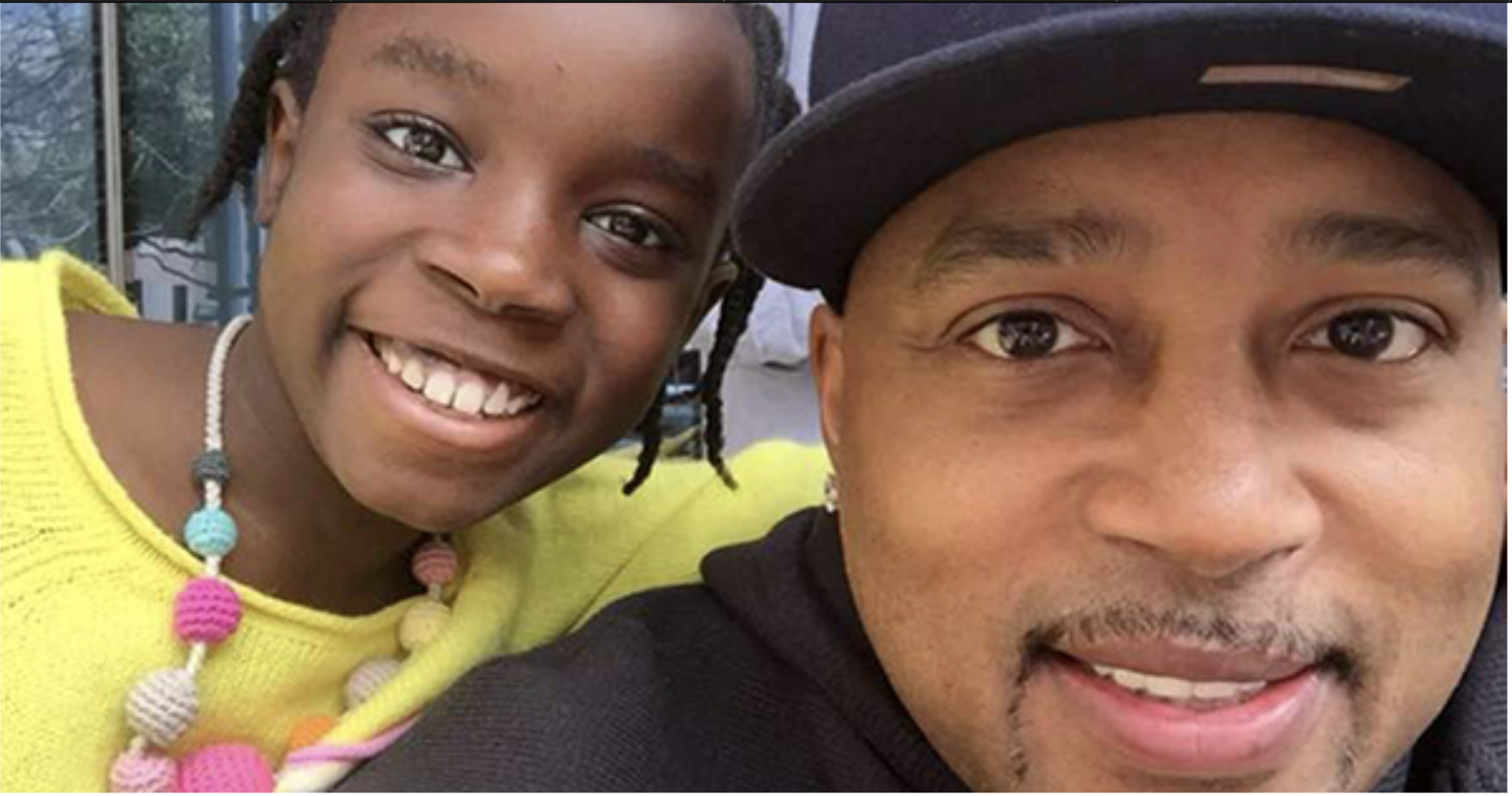
That same year, she appeared on Shark Tank at just nine years old. Daymond John invested $60,000 in exchange for a 25% stake in the company. The exposure from that episode alone was priceless—it opened doors to major retailers like Whole Foods Market, Target, and The Fresh Market.
In 2017, a group of NFL players, including Arian Foster, invested $800,000 into the company, helping her expand distribution even further.
Today, Me & the Bees Lemonade is sold in over 2,500 stores across the United States.
What is Me & the Bees Lemonade's Business Model?
At its core, the business model is simple:
- Wholesale Distribution – Me & the Bees Lemonade sells in bulk to major retailers like Whole Foods, Kroger, Target, and H-E-B. These stores then sell the product to consumers at a markup.
- Direct-to-Consumer Sales: Customers can also buy cases of lemonade directly from the company’s website. A 12-pack sells for around $32, so each can costs about $2.67 when purchased online.
- Retail Pricing Strategy – In stores, a single can is priced at around $3.49. This suggests that Me & the Bees sells to retailers at a lower wholesale price (likely around $2 per can), allowing both parties to profit.
- Product Expansion—In addition to lemonade, the company has expanded into beeswax lip balms and other bee-related products, creating additional revenue streams.
This wholesale-first approach is what allows Me & the Bees to scale. Instead of relying on individual sales, they sell in bulk to retailers who handle distribution.
Why Do Customers Choose Me & the Bees Lemonade?
Many entrepreneurs make the mistake of focusing too much on the product and not enough on the story.
Yes, Me & the Bees Lemonade is a great product—it’s made with real fruit, honey, and flaxseed, offering a lower-sugar alternative to traditional lemonade. But what really makes it stand out?
The mission behind it.
Every bottle comes with a message: Buy a Bottle, Save a Bee!
A portion of the profits goes toward bee conservation efforts. Mikaila even founded the Healthy Hive Foundation in 2016 to support research and education about bees.
This is what makes the brand sticky. This mission-first approach is exactly what I talk about in the Trust Ladder framework - trust isn't built on products alone, it's built on purpose.
What Challenges Did Mikaila Face Growing Her Business?
Growing a business isn’t just about getting bigger—it’s about adapting to challenges along the way. And Me & the Bees has had its fair share of obstacles.
- Rebranding – Originally called BeeSweet Lemonade, the company had to change its name due to a copyright issue with another food brand. Instead of seeing this as a setback, they pivoted and rebranded as Me & the Bees.
- Sustainability Shift – The company transitioned from glass bottles to 100% recyclable aluminum cans, appealing to eco-conscious consumers. Some customers noted an aluminum aftertaste, but the change aligned with their sustainability mission.
- Retail Expansion – Getting into 2,500+ stores isn’t easy. It requires strong distribution networks, reliable suppliers, and the ability to scale production without sacrificing quality.
Each challenge was met with a solution. That’s what separates successful entrepreneurs from those who give up on the first roadblock.
What Can Entrepreneurs Learn From Mikaila Ulmer's Success?
So, what can you take away from Mikaila’s story?
- Start Small, but Think Big – Mikaila didn't wait until she was older, smarter, or more connected. She started where she was, with what she had.
If you're looking to start your own side business, check out these recession-proof business ideas that can scale from small beginnings just like Mikaila's lemonade stand. - Your Story Matters – The best businesses aren’t just about products. They’re about purpose. People connect with brands that have a mission beyond making money.
- Invest in Growth – Securing funding from Shark Tank and NFL players allowed the company to scale faster. Smart entrepreneurs know when to seek outside investment to fuel expansion.
- Adapt to Challenges — Every business faces obstacles, whether it’s a name change, packaging shift, or distribution hurdle. The key is to pivot and keep moving forward.
- Give Back — The company’s commitment to bee conservation is good for the planet and good for business. Consumers love supporting brands that align with their values.
Frequently Asked Questions
How much is Mikaila Ulmer worth?
While Mikaila's exact net worth isn't publicly disclosed, Me & the Bees Lemonade generates multi-million dollars in annual revenue. With 2,500+ retail locations and a retail price of $3.49 per can, industry estimates suggest $5-10 million in sales annually. Mikaila owns significant equity alongside investors Daymond John and NFL backers.
Did Mikaila Ulmer get a deal on Shark Tank?
Yes. In 2015, at age 9, Mikaila secured a $60,000 investment from Daymond John in exchange for 25% equity in Me & the Bees Lemonade. This deal provided capital for scaling production and gave her national media exposure that helped secure major retail partnerships with Whole Foods and Target.
Where can you buy Me & the Bees Lemonade?
Me & the Bees Lemonade is sold in 2,500+ stores including Whole Foods, Kroger, Target, H-E-B, Wegmans, and The Fresh Market. You can also order directly from their website or Amazon. A 12-pack costs approximately $32 ($2.67 per can), while single cans retail for $3.49 in stores.
How old was Mikaila Ulmer when she started her business?
Mikaila was 4 years old when she started selling lemonade in 2009. She was inspired after being stung by bees twice in one week and receiving her great-grandmother's 1940s flaxseed lemonade recipe. By age 11, she had secured her first major retail partnership with Whole Foods.
What percentage of profits goes to bee conservation?
Me & the Bees Lemonade donates a portion of profits to bee conservation organizations through Mikaila's Healthy Hive Foundation, which she founded in 2016. The exact percentage varies annually but supports research, education, and habitat restoration projects focused on protecting declining bee populations.
Why did BeeSweet Lemonade change its name to Me & the Bees?
The company originally launched as BeeSweet Lemonade but faced a copyright conflict with another food brand. Rather than fight a legal battle, Mikaila rebranded to Me & the Bees Lemonade in the early growth phase. The new name better reflected the personal story behind the brand and proved more memorable for customers.
How Can You Apply Mikaila's Strategy to Your Business?
Mikaila Ulmer didn’t set out to build a million-dollar company. She just wanted to sell some lemonade and help save the bees. But by staying curious, thinking big, and embracing challenges, she turned a childhood project into a national brand.
So, here’s the real question: What’s your lemonade stand?
What small idea do you have right now that could turn into something much bigger?
The difference between a hobby and a business is execution. The difference between an idea and success is action.
Maybe it’s time to stop overthinking and start selling.
You don't need a Shark Tank appearance or an NFL investment to start. You need a story, a mission, and the willingness to start small.
Feeling stuck or don't know where to start? Read about why most solopreneurs stay stuck-and how to break free from that pattern to start building something meaningful.
What's one step you can take this week to turn your idea into something real?
#BeBusinessSmart